

Wyss Institute for Biologically Inspired Engineering, Harvard University
Research
At Allied Scholars, we work on advanced biomedical, scientific, and technological methods that are far better than animal models. They are safer for people, cheaper, scalable, and built on modern science. The case is hard to argue with: more than 90% of drug candidates that enter clinical trials ultimately fail, and one major reason is how hard it is to translate preclinical findings, including animal-model data, into reliable human outcomes.

cruelty free international
cruelty free international
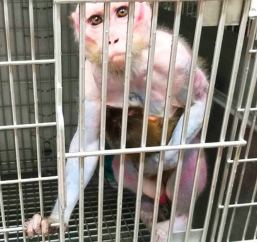
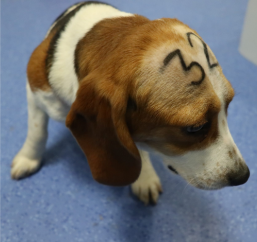
Dogs, primates, and many other animals are still used in labs across the country, often in tests that better methods could replace today. Moving animals out of labs and advancing more modern, accurate science has long been a bipartisan issue and a matter of national interest, supported across the political spectrum.
Revo Foods
Better methods already exist, and a growing share of biomedical work is moving toward them.
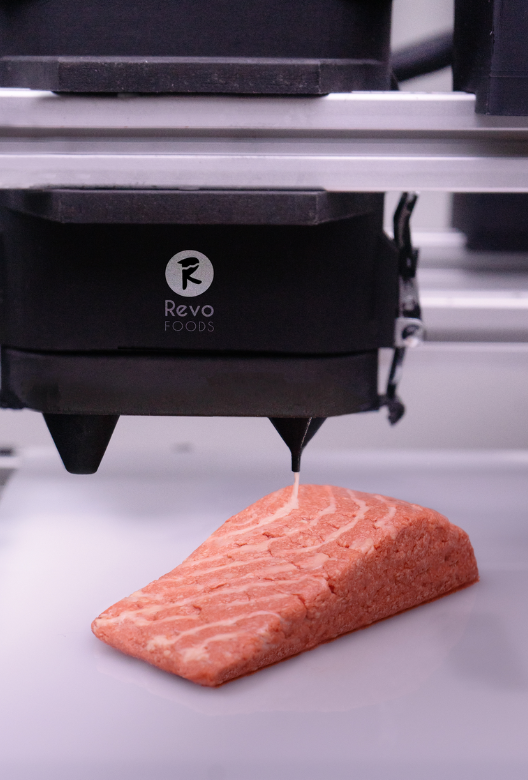
The same logic applies to food. Advances in food engineering, such as cultivated meat, plant-based extrusion, and precision fermentation, can feed the world with less land, lower disease risk, and no animals involved.
A reliable, resilient food supply is also a matter of national security, and methods like these strengthen it by reducing dependence on land, water, and the disease risks that come with industrial animal agriculture.
ASAP’s Solution
Allied Scholars runs a Biomedical and Food Systems Research Department that brings together decades of combined experience in biomedical research, engineering, medicine, nutrition, and statistics.
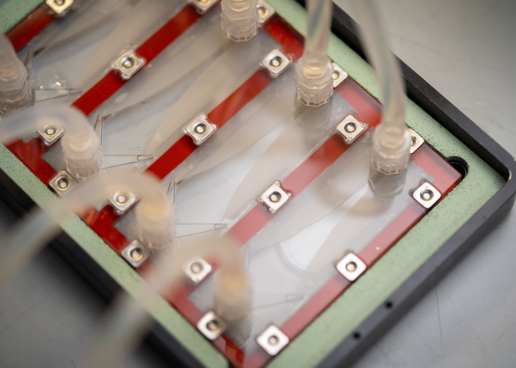
The department works to replace animals used for food and for testing, and it draws directly on biomedical engineering. Modern animal-free science includes human-relevant research methods such as cell-based models, organ-on-chip systems, tissue engineering, computational and systems modeling, and alternative proteins. Each of these grows out of biomedical engineering, biotechnology, and related fields, which is why a background in those areas is central to the work we do.
Our work centers on:

Alternatives to animal testing

Alternative proteins
(cultivated meat, plant-based foods, and precision fermentation)

Plant-based nutrition
Our approach
Our research is analytical. We work with data, published evidence, and systems-level analysis to solve critical problems related to public health and the food system. In practice, that means analysis of clinical and behavioral studies, structured reviews of the biomedical and nutrition literature, analyzing foods served across universities, and assessments of how different food and protein technologies actually perform on public health and environmental measures.
Our output includes literature reviews and analyses, research summaries and technical explainers, conference presentations, educational materials for students and campus communities, and public-health and food-system reports.
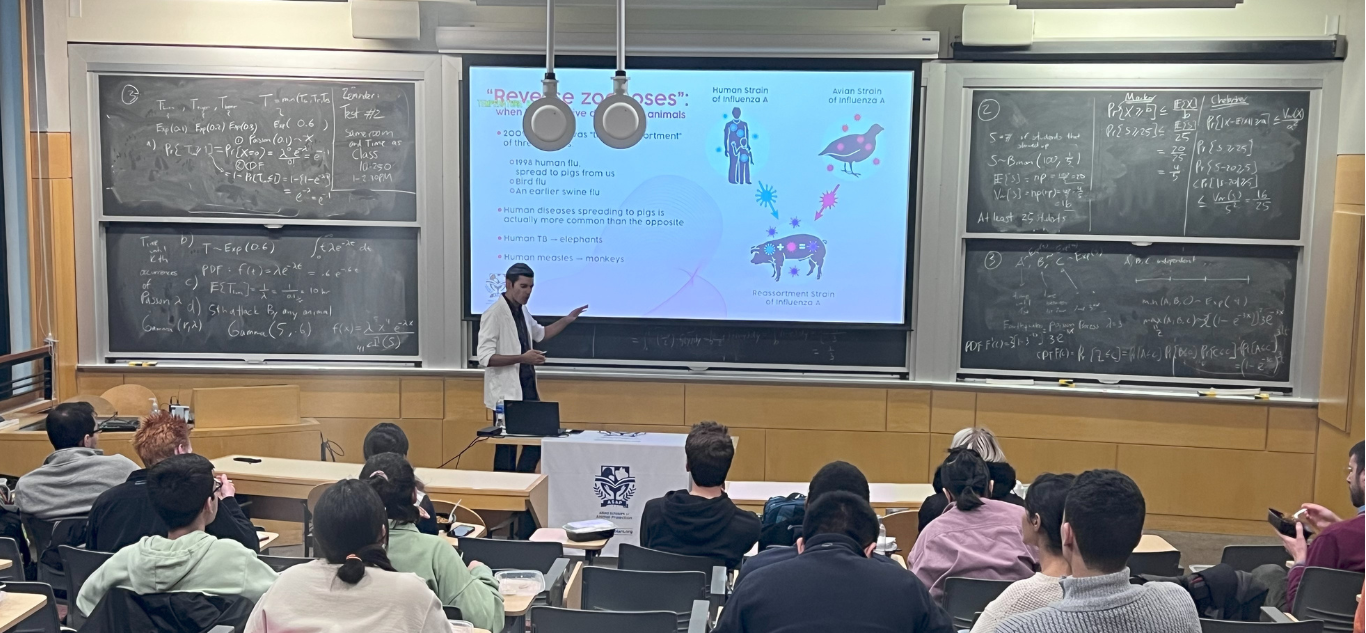
Dr. Faraz Harsini giving a lecture at MIT about zoonotic diseases and how Biomedical and engineering students can tackle this issue by focusing on the food system.
UC San Diego Jacobs School of Engineering
Our work also includes translating scientific developments in animal-free methods, alternative proteins, and human-relevant testing into materials that students, faculty, and universities can actually use. Our goal is to inspire students to use their backgrounds in engineering, biology, and medicine to tackle public health and food system issues.

UPSIDE-Foods-Cultivated-Chicken
This is where biomedical engineering and food-systems meet. We study how proteins, fats, and other molecules drive nutrition, flavor, and texture, and how plant-based foods, cultivated meat, and precision fermentation can stand in for animal products at scale. We also examine the public-health side of the food system, including zoonotic disease and antibiotic resistance, both of which trace back to animal agriculture.
Examples of our research:
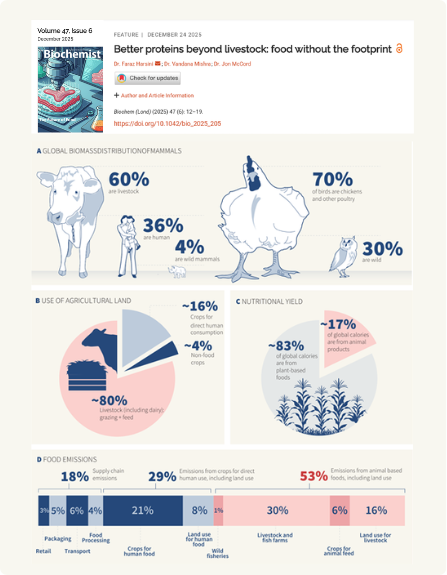
Better proteins beyond livestock: food without the footprint The Biochemist, 2025
Written by three expert biomedical scientists and engineers who together bring over three decades of combined experience spanning biomedical research and the food system: Dr. Faraz Harsini, CEO of Allied Scholars; Dr. Jon McCord, FDA regulatory liaison at the Physician Committee; and Dr. Vandana Mishra, a former NIH scientist now at Johns Hopkins University.
The paper reviews the case for animal-free agriculture, and using biomedical engineering techniques to scale up food production. It lays out how livestock use close to 80% of farmland while supplying under 20% of the world's calories, and connects animal farming to deforestation, methane, water pollution, zoonotic disease, and antibiotic resistance. It then explains how innovations in the fields of plant-based foods, precision fermentation, and cultivated meat can deliver the same proteins by understanding how molecules shape flavor, texture, and nutrition, without the animals. Read the paper →
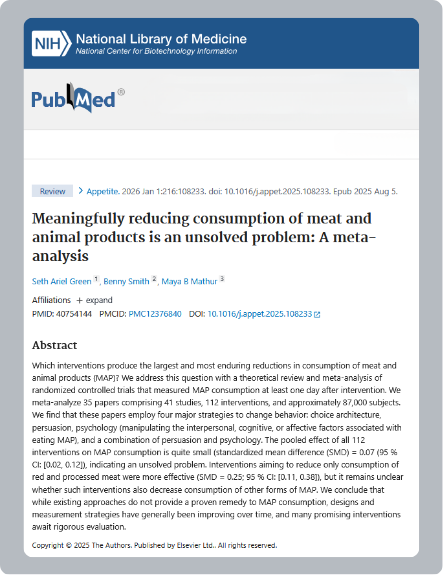
Meaningfully reducing consumption of meat and animal products is an unsolved problem: A meta-analysis Appetite, 2025.
In collaboration with the Quantitative Sciences Unit, Stanford University Co-authored by Benny Smith, a researcher at Allied Scholars with a background in mathematics and statistics, in collaboration with Stanford University.
The paper pulls together 35 papers, 41 studies, 112 interventions, and roughly 87,000 participants. Across the randomized controlled trials, most interventions had only a small effect, though efforts aimed specifically at red and processed meat did noticeably better. The honest conclusion is that the field needs better-designed studies to solve the food system and solve global issues related to animal agriculture. It is a clear example of the quantitative, data-driven analysis our research department applies to the food system.Read the paper →
Our researchers
Our research is led by scientists and physicians who have spent their careers in biomedical research, engineering, food science, drug development, and regulatory policy, and who now apply that experience to the food system. Together with the doctors and scientists on our advisory board, the team brings decades of combined experience in translating biomedical engineering, science, nutrition, and statistics into practical ways to replace animals used for food, fashion, and testing.

Dr Faraz Harsini,
Biomedical and food-system scientist

Dr. Vandana Mishra
Protein biochemist and structural biologist

Jon McCord
Science policy specialist and biomedical scientist
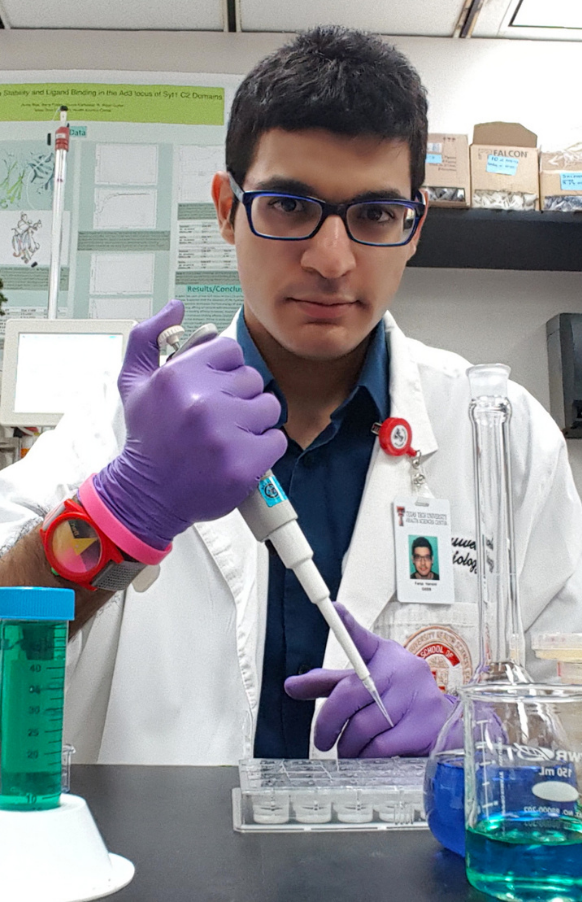
Faraz
Harsini
Dr. Faraz Harsini is a biomedical and food-system scientist who supervises the research department at Allied Scholars.
He holds a BSc in chemical engineering with a focus on process design, nanobiotechnology, and antibiotic resistance, followed by an MSc in biotechnology and cancer research.
He completed his PhD in Cell Physiology and Molecular Biophysics at Texas Tech University Health Sciences Center, where he studied the structure and function of proteins in cancer, infectious diseases, and muscular dystrophies using X-ray crystallography, triple-resonance nuclear magnetic resonance, and a range of biophysical assays.
After his postdoctoral research, he worked in the biopharmaceutical industry as a Protein Expression and Process Development scientist, contributing to the discovery and development of therapeutic proteins for influenza, cancer, and inflammatory diseases.
After a decade of working with proteins in biomedical research and drug development, he joined the Good Food Institute, the largest global nonprofit focused on alternative proteins, as a Bioprocessing Senior Scientist, where he developed scientific and engineering strategies for cultivated-meat bioprocessing at scale.
One example of how he brought biomedical engineering into the food system comes from his time as a Bioprocessing Senior Scientist at the Good Food Institute, where he led and co-authored a review of cell growth modeling for cultivated meat that borrows bioreactor and process development methods from biopharma and applies them to scaling animal-free food production. The full technical report and dataset go deeper into the bioreactor modeling framework.

Dr. Vandana
Mishra
Dr. Vandana Mishra is a protein biochemist and structural biologist who studies how proteins function at the molecular level.
She earned her PhD from the Indian Institute of Technology Bombay, where she characterized Plasmodium proteases to guide the design of antimalarial inhibitors. She completed her postdoctoral research at the National Institutes of Health in Bethesda, studying DNA-repair proteases and mitochondrial fusion proteins implicated in cancer and neuropathies.
She earned her PhD from the Indian Institute of Technology Bombay, where she characterized Plasmodium proteases to guide the design of antimalarial inhibitors
She completed her postdoctoral research at the National Institutes of Health in Bethesda, studying DNA-repair proteases and mitochondrial fusion proteins implicated in cancer and neuropathies.
She is currently a researcher at Johns Hopkins University working on GPCR-focused drug discovery, and serves as a social media manager at MedNess. Her research experience spans X-ray crystallography, cryo-electron microscopy, cryo-electron tomography, and a range of biochemical and biophysical assays. She also enjoys science writing and exploring protein-based innovations and their real-world applications, including developments in the alternative-protein space across food, health, and sustainability.
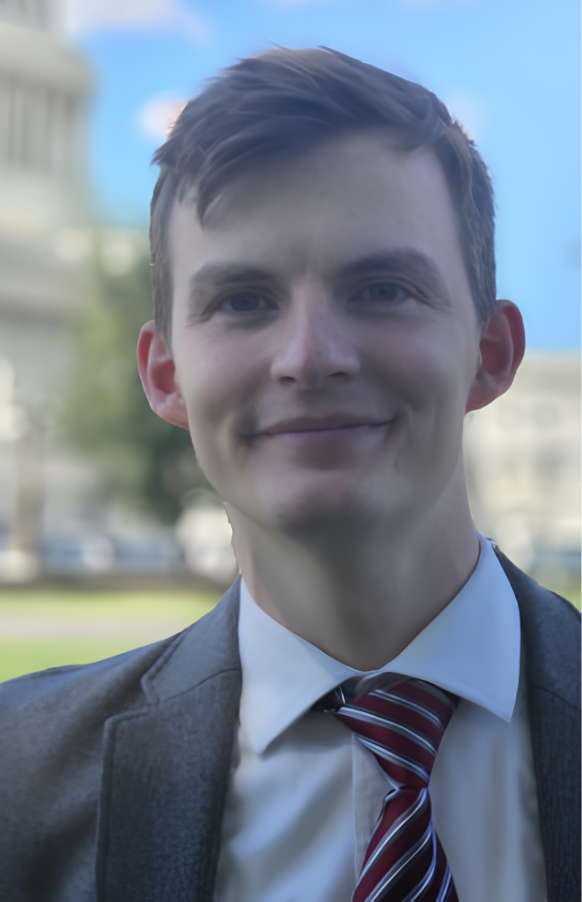
Dr. Jon
McCord
Dr. Jon McCord is a science policy specialist and biomedical scientist whose work centers on advancing FDA-focused regulatory policy at the Physician Committee.
He holds a BSc in chemical engineering with a focus on process design, nanobiotechnology, and antibiotic resistance, followed by an MSc in biotechnology and cancer research.
He completed his PhD in Cell Physiology and Molecular Biophysics at Texas Tech University Health Sciences Center, where he studied the structure and function of proteins in cancer, infectious diseases, and muscular dystrophies using X-ray crystallography, triple-resonance nuclear magnetic resonance, and a range of biophysical assays.
After his postdoctoral research, he worked in the biopharmaceutical industry as a Protein Expression and Process Development scientist, contributing to the discovery and development of therapeutic proteins for influenza, cancer, and inflammatory diseases.
After a decade of working with proteins in biomedical research and drug development, he joined the Good Food Institute, the largest global nonprofit focused on alternative proteins, as a Bioprocessing Senior Scientist, where he developed scientific and engineering strategies for cultivated-meat bioprocessing at scale.
One example of how he brought biomedical engineering into the food system comes from his time as a Bioprocessing Senior Scientist at the Good Food Institute, where he led and co-authored a review of cell growth modeling for cultivated meat that borrows bioreactor and process development methods from biopharma and applies them to scaling animal-free food production. The full technical report and dataset go deeper into the bioreactor modeling framework.
Allied Scholars is expanding its Biomedical and Food Systems Research Department
We welcomes collaboration with students, researchers, physicians, engineers, public-health professionals, and university communities interested in animal-free biomedical innovation, alternative proteins, and evidence-based food-system change. If this is your field, we would like to hear from you.