
The BS we spent money on
Have you ever stopped to wonder just how much we collectively waste on things we don’t truly need?
I usually jokingly say I’m always miserable. Except I’m not joking! Why? Because this is how my brain works and does calculations. Let me ruin some fun activities for you. You’re welcome!
Here’s what Americans spend every year on just a few holiday “essentials”:
Christmas shopping: Nearly $1 trillion on gifts and holiday items. The average American spends about 1 week’s salary on Christmas gifts, much of which ends up as next year’s landfill trash.
Holiday lights (December): ~6.6 billion kilowatt-hours of electricity, costing ~$1 billion (about 0.2% of the entire country’s yearly energy use, and more than the national electricity consumption of many developing countries!). This is to keep the decorative lights on for a whole month! Powering those lights emits almost 2 million tons of CO2 into the atmosphere.
Halloween decorations: ~$13.1 billion
Halloween pumpkins: ~$800 million (carved up and tossed afterward). Over 80% of Halloween pumpkins are tossed each year. To make it tangible, 1.3 billion lbs of pumpkins grown for Halloween contain ~153 billion calories, which at 2,000 kcal/day could feed around 210,000 people for an entire year, roughly 300 million standard meals. In other words, just the pumpkins we waste on Halloween could feed 200,000 starving people.
Thanksgiving dinner food: ~$2 billion (not counting the cost of lives taken, ~50 million turkeys and many more killed for their eggs or milk)
New Year’s and July 4th fireworks: ~$2.5 billion (literally burning money in the sky)
Alcohol: Over $300 billion per year (not counting hospital bills from cancer and other diseases linked to drinking)
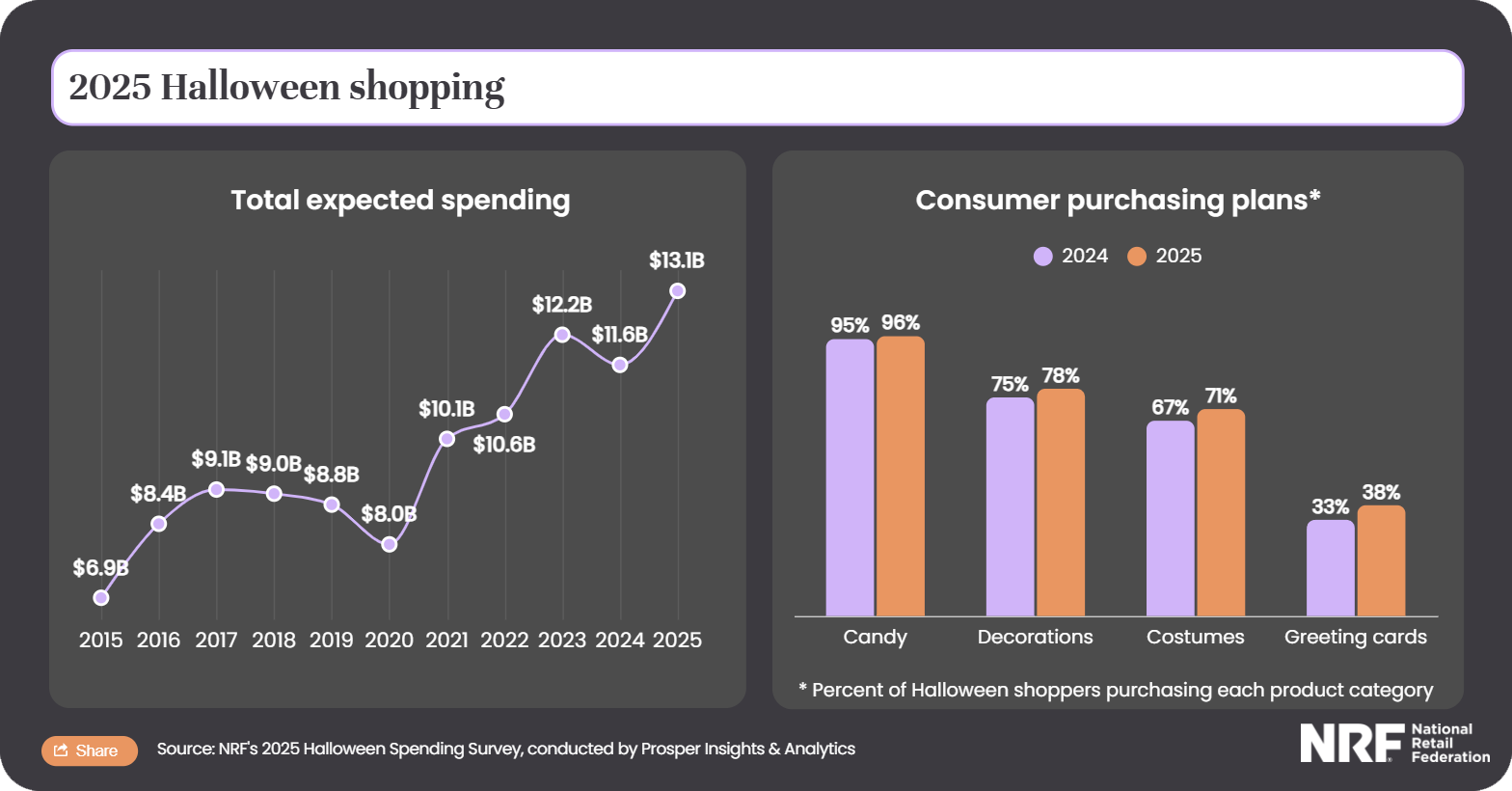
Caption: We spent ~2x more on Halloween in 2025 compared to 2015. Are we twice as happy and fulfilled? What does this spending reflect? Is this a sign of progress of a nation towards prosperity and wisdom? Or is this a sign of overconsumerism, loss of wisdom, and becoming slaves to media, corporations, and societal norms?
And more importantly, imagine what we COULD achieve if we had the resolve and ambition to spend those resources on something meaningful!
How many animals could we save? What discoveries could we make? How much more beautiful could our world be? How much more at peace could we be with ourselves?
I'd like you to really sit with the magnitude of the lost potential here.
We spend the money we don’t have, on things we don’t need, to impress people whose opinions we shouldn’t care about.
Mindless consumerism
All together, just for a few holidays, that’s about $1.3 trillion. That’s roughly 5% of US GDP spent on fleeting pleasures and trappings of celebration.
I’m sharing these facts to show how much money we collectively spend on things that add little real value to our lives. We consume and consume, mindlessly. Like robots being controlled by media, TV, Amazon ads and recommendations, and more.
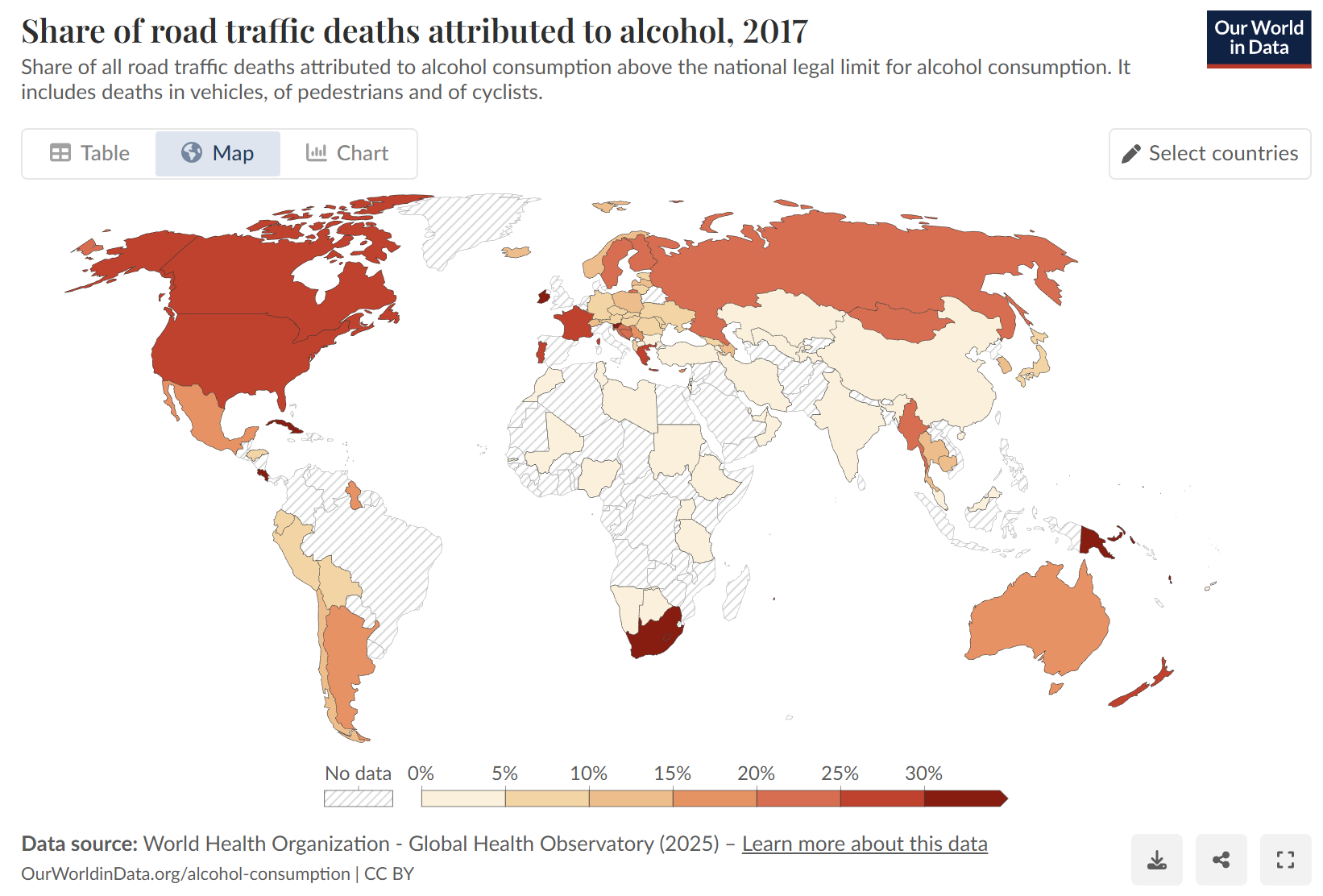
Caption: I’m not religiously against drinking, I would socially drink until I started to hate how normalized drinking is. You happy? You drink. You sad? You drink. Want to spend “quality” time with a friend you haven’t met in years? You drink. The culture of drinking wastes over $300 billion in the US alone, it also puts other people’s life in danger, and harms our body. Alcohol is a leading cause of death in the US (due to chronic diseases) and is responsible for more than 25% of road traffic deaths.
Fireworks? They’re setting your money on fire. LITERALLY. And it hurts animals, elderly, the environment, and vets along the way.
Most Halloween costumes and Christmas gifts? They’ll be in a landfill within a year. Much of it won’t be degraded for thousands of years. Did you know we produce and toss so many pumpkins that they’ve become an environmental hazard? You thought since they’re biodegradable, it’s not a big deal, didn’t you?
Follow my line of logic here: How much land, how much water, how much energy for cultivation and transportation goes into growing so many pumpkins just for one night? Much of it is wasted while the rest of the world goes to bed hungry.
All those dazzling Christmas lights we keep on all month? We destroyed the environment once to get the gas, oil, and coal. Then we burned them for precious electricity, polluted the air, routed the electricity to Christmas lights, turned precious energy into heat, dissipating into the environment, contributing to climate change and light pollution.
Jains and many Indians got the right idea!
Every time we make a purchase, we’re making a choice. One of the things I admire about Jains and many Indian people is the simple lifestyle. Finding joy in life without excessive consumption. I met many wealthy Indians who drive older cars, there’s barely any furniture in their house, and they donate much of their money.
How do we define fun?
I’m not saying we shouldn’t spend on ourselves or our well-being; but how we define “fun” and fulfillment matters. What is more fun and meaningful than saving lives?
Children are raised in an environment where we defined candies, Christmas lights, fireworks, fast food, and alcohol as fun. Kids don’t choose to enjoy these things. Don’t believe me? The rest of the world is just fine without fancy Halloween, Thanksgiving, and Christmas, in the same way you are just perfectly fine without what they defined as fun!
What if we lived in a society where fun activities were taught to be activities like reading, sports, volunteering, donating, and even meaningful jobs and careers?
Instead of defining fun as expensive drinks, throwaway decor, and mall binges, why not prioritize experiences that enrich us? Time with friends and family. Learning a skill or a language. Playing sports or creating art. Activities that make us stronger and happier without waste.
Yet society has conditioned us to equate celebration with buying more stuff.
Gerge Carlin described it well:
Only an unenlightened nation could have taken this beautiful place and turned it into what it is today … a shopping mall, mile after mile of mall after mall … that’s where people get to satisfy their two most prominent addictions at the same time … shopping and eating … millions of semiconscious people, day after day, shuffling through the malls … shopping and eating.
Break away from this wasteful cycle
We grind away at jobs we aren’t passionate about, live for the weekends and holidays, then spend those precious days (and paychecks) on partying, getting drunk, shopping sprees, and smoking, so that our hard-earned free time vanishes in nothingness.
We’re left with clutter, hangovers, and a bank balance back at zero, wondering where the time, money, and our youth went.
Free yourself from consumerism. We are not slaves of fashion, entertainment, food, and political industries.
Caption: Patrik Baboumian dispelling the myth that meat, dairy, or eggs are needed for peak strength. What's the point of being strong if you're not using that strength for good? Similarly, what’s the point of wealth, knowledge, talent, or anything we have, if we’re not using them on something meaningful?
Turning Waste into Change
Imagine if even a fraction of all that spending was redirected toward something meaningful.
Consider this: even if only 1% of the U.S. population were vegan, that’s about 3.3 million people. If those vegans each donated 10% of their income (the way many religious communities do), every group of 10 vegans would be funding one full-time advocate for the animals.
Think about our current spending habits: the average American adult spends nearly $900 a year on alcohol. If all American vegans gave the money they’d normally spend on beer, wine, and cocktails to animal advocacy instead, that alone would inject roughly $3 billion per year into the movement.
That’s 10 times more than the entire global farmed animal advocacy funding which is less than $300M, and much of it goes to ineffective welfare campaigns.
Now add the billions spent on holiday shopping and decorations. If all American vegans redirected the money from just their extra purchases I listed above toward animal protection, that could easily be another $10-13 billion every year.
In total, collectively, we’re talking over $10 billion that could be fighting cruelty and spreading compassion each year. Just a fraction of that would be enough to revolutionize vegan advocacy on college campuses at ASAP.
There is no magical billionaire savior
The truth is, no billionaire is going to magically show up and bankroll the animal rights movement. There is no one big savior who will come to save us and animals.
Real change will only happen if we step up and fund it ourselves by giving what we can and by inspiring future millionaires and billionaires to join the cause. And that second part is precisely what ASAP is doing.
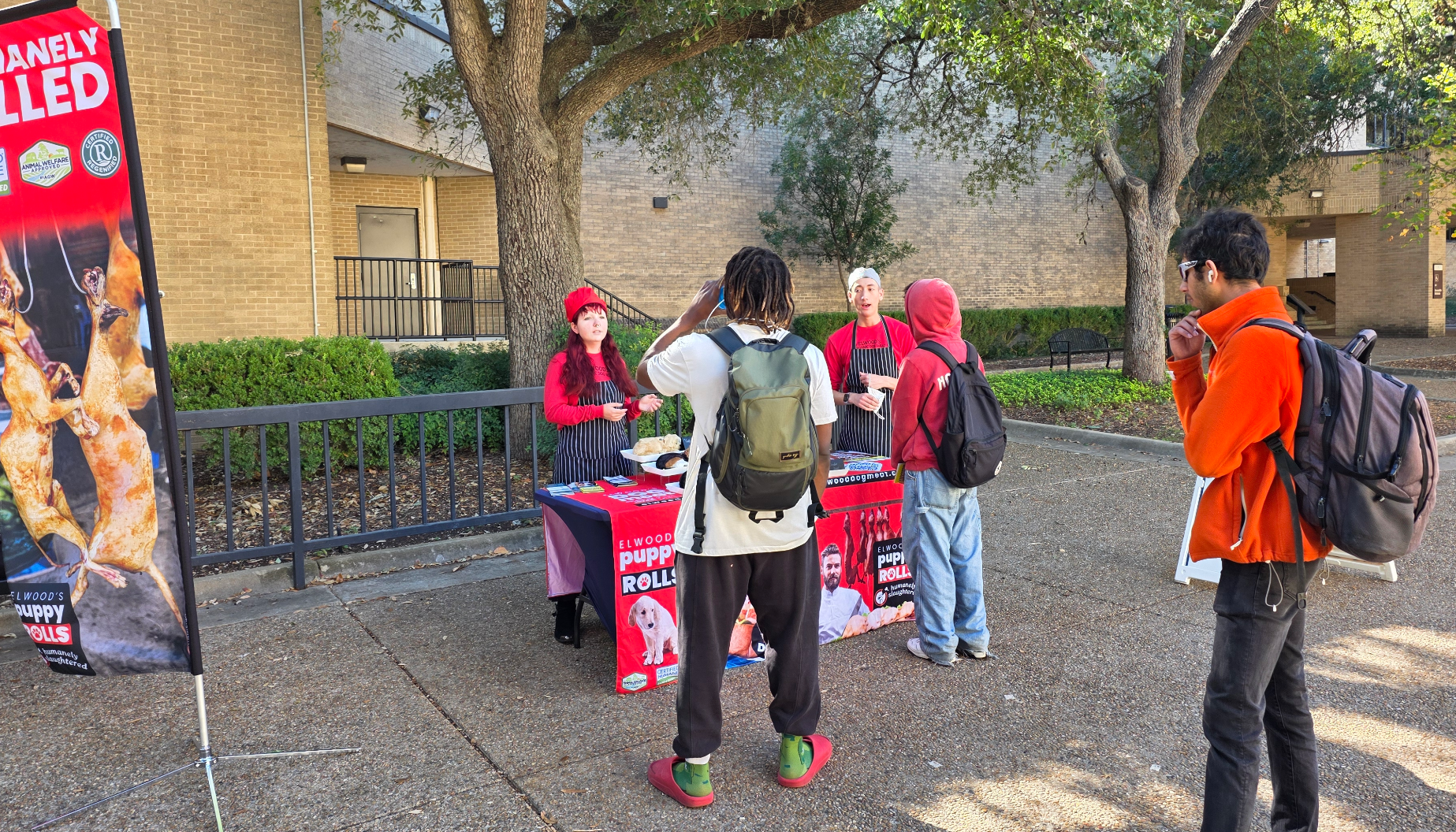
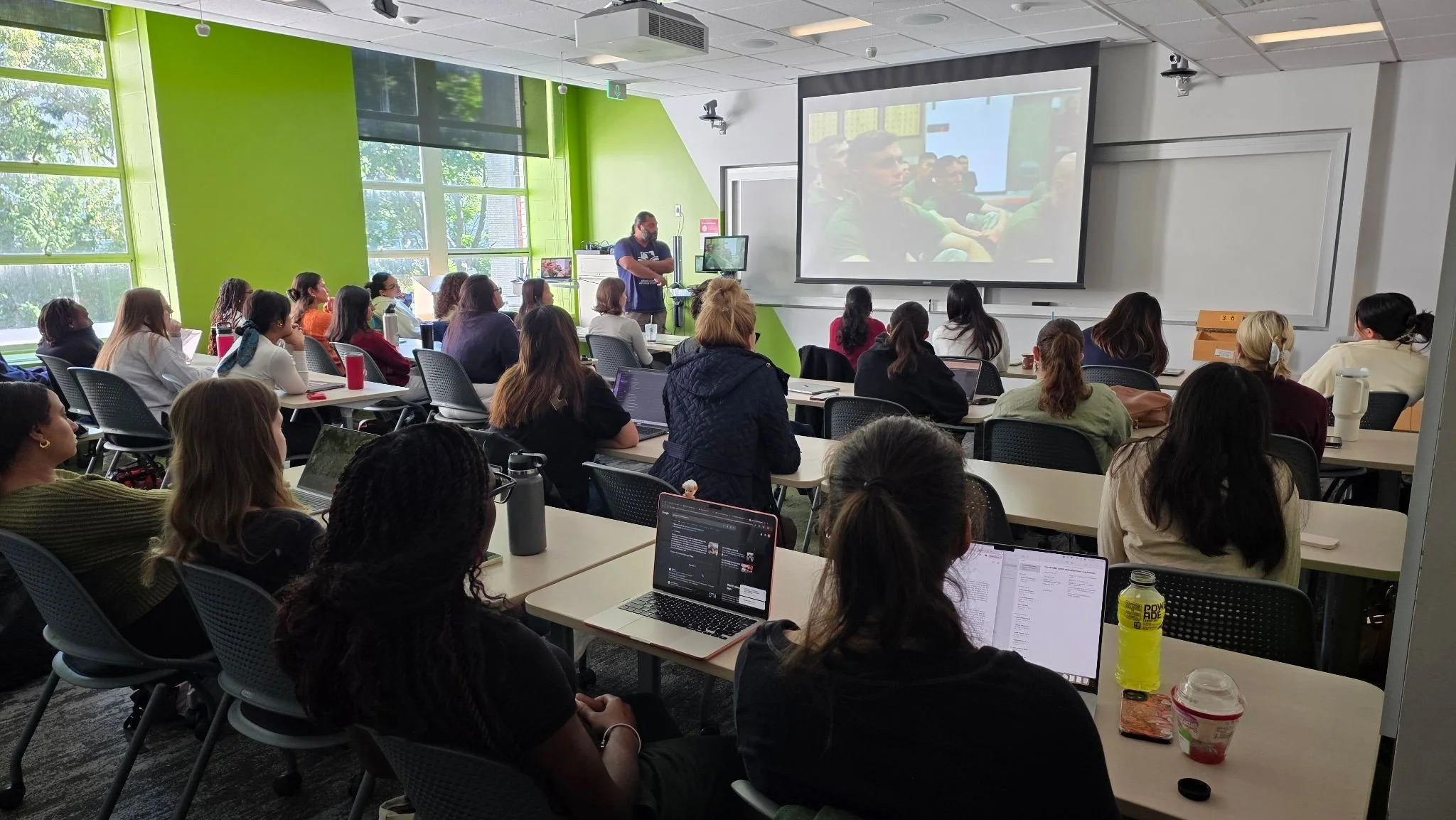
Caption: If change happens, it will only be due to relentless, deliberate action. There will be no magical savior. We control our destiny. We control what we do right now.
I pledge to you to not buy anything I don’t truly need this holiday season and I donate $100 to ASAP. On Christmas Day 2023, I visited a dairy farm to expose the cruelty.

This holiday season, consider making a donation to ASAP, or even becoming a monthly partner in our work.
A new jacket, a fancy watch, or extra pairs of socks your dad doesn’t need are gonna be landfilled, not your legacy. Your support of ASAP will live forever. Every life we change starts a snowball and multiplies your investment.
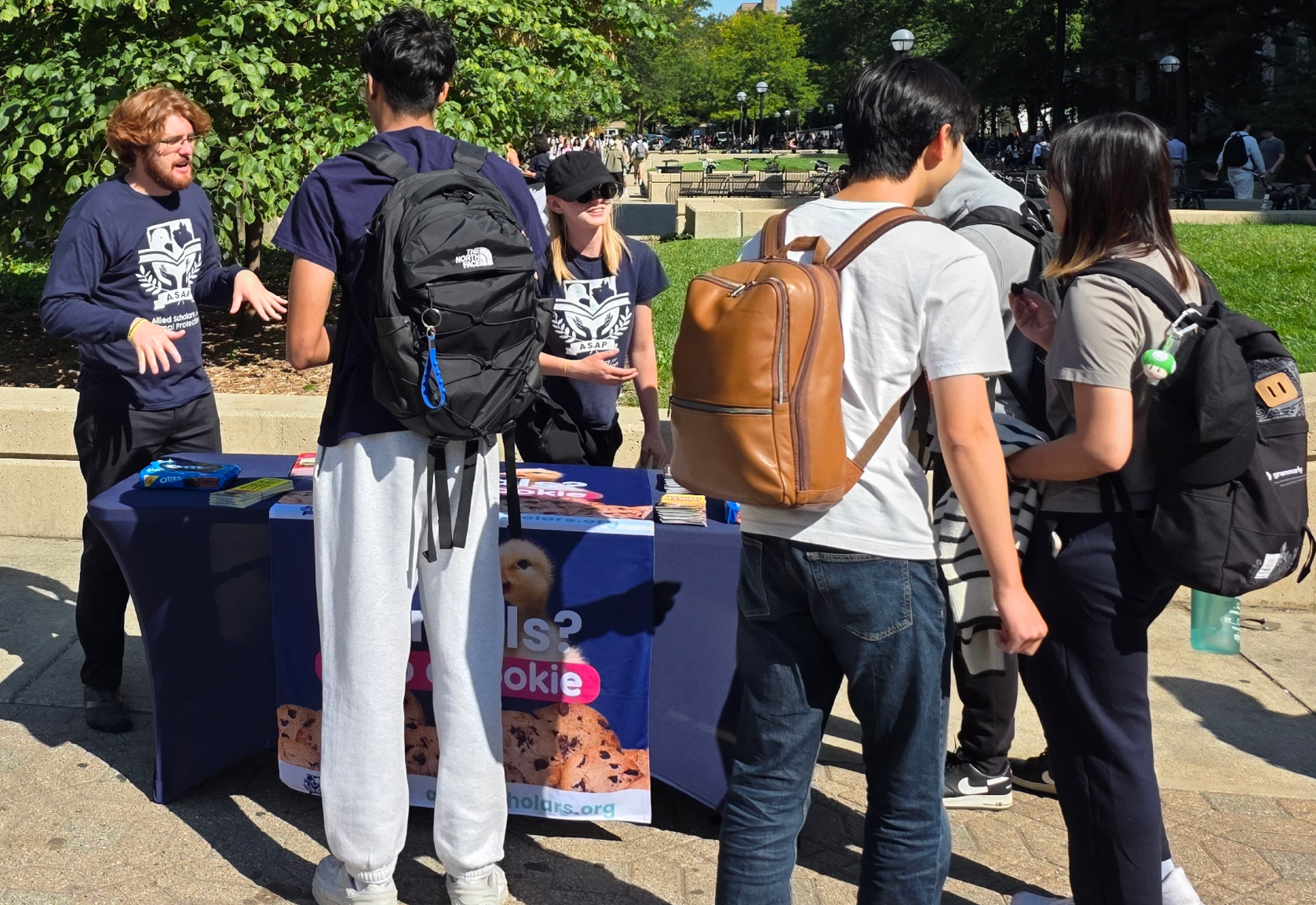
Caption: Christian (left) calculated how much he was spending on alcohol, then quit drinking to donate that part of his nonprofit salary to ASAP.
Be the reason someone new goes vegan. Be the reason the next Ingrid Newkirk or Dr. Neal Barnard (or the next brilliant vegan startup founder or major donor) finds their inspiration on campus and decides to dedicate their life to this cause.
Right now, every donation is matched twice by two generous supporters.
Let’s landfill consumerism, and invest in truth, compassion, and lasting change.